

An Advent reflection on home begins with the space between hope and arrival. Romans 12:12, NKJV describes “rejoicing in hope, patient in tribulation, continuing steadfastly in prayer.” Those words invite steady care when a meaningful goal still lies ahead.
Advent begins November 29, 2026, offering Midlands churches and businesses time to consider how they accompany neighbors preparing for homeownership. Central South Carolina Habitat for Humanity’s perspective on what happens after the keys reminds us that a home’s meaning extends beyond one milestone. Community support matters during preparation and as families look toward the responsibilities ahead.
An Advent Reflection on Hope and Preparation
Advent is the Christian season of preparation and expectation that leads into Christmas. The USCCB’s Advent overview explains that the season directs believers toward celebrating Christ’s birth and toward His promised return. In 2026, the first Sunday of Advent falls on November 29, and the season continues through December 24.
Advent’s waiting isn’t idle. Lighting candles, praying, giving, and gathering are all ways congregations prepare with intention rather than simply counting down the days.
Romans 12:12 holds hope and patience together. Paul’s words don’t ask believers to ignore hardship. They ask for steadiness: rejoicing where hope is real, enduring where the road is difficult, and staying faithful in prayer along the way.
That pairing offers a helpful lens for thinking about neighbors who are working toward a home. Waiting for housing isn’t the same as Advent’s theological meaning, and it shouldn’t be treated that way. But an Advent reflection can still shape how a community shows up: patiently, faithfully, and with practical care for people whose hopes are still taking shape.
The Work That Happens While Homebuyers Wait
Preparing for homeownership involves concrete steps, not passive waiting. Future homeowners invest real time and effort long before a closing date comes into view.
Central South Carolina Habitat for Humanity outlines the local homebuyer journey for anyone who wants to understand the process. At a high level, it moves from an initial inquiry to application review, then into homebuyer education, partnership activities, and eventually closing.
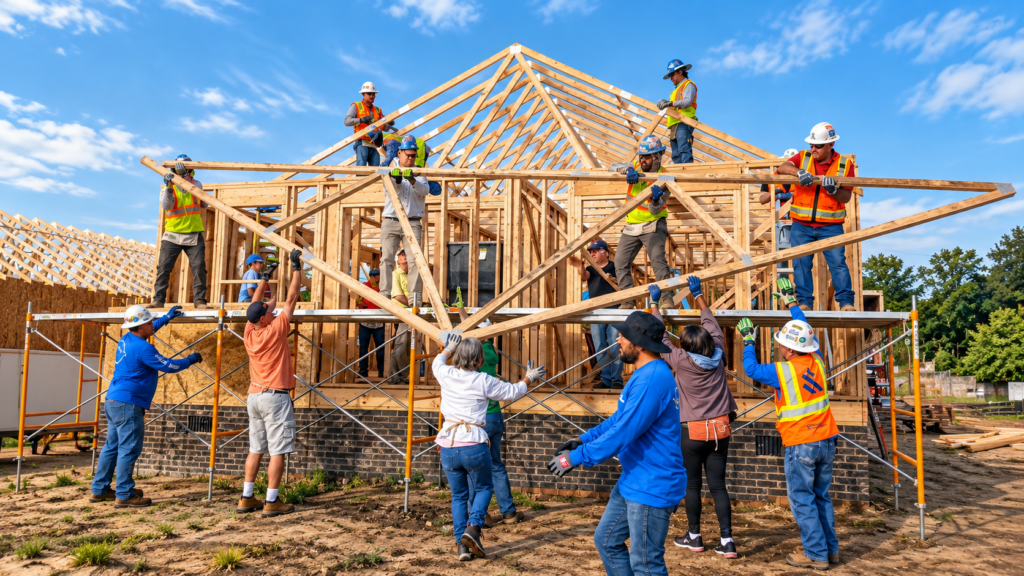
Each stage carries its own work. Homebuyer education helps households prepare for the responsibilities of owning and maintaining a home. Partnership activities reflect a model built on working alongside future homeowners rather than simply acting on their behalf.
It’s also important to understand what each step means. Expressing interest isn’t the same as having an application accepted, and an accepted application isn’t the same as final selection. Every step depends on current program requirements and availability.
There’s no universal completion time or guaranteed move-in date. That’s why community supporters shouldn’t make promises about timing on anyone’s behalf. Anyone interested in applying should go directly to the affiliate for current, accurate information.
Accompanying Families Without Making Assumptions
Accompaniment is a familiar idea in church life. It means walking alongside someone without taking over their story.
For churches and businesses, respectful support starts with listening and following Central South Carolina Habitat for Humanity’s coordination. The affiliate knows what’s helpful right now, what’s appropriate, and what protects the privacy of the households it serves.
Privacy matters more than it may seem. A future homeowner’s finances, timeline, and personal circumstances belong to them. Groups shouldn’t share names, photos, or stories unless the affiliate has documented permission to do so.
It also helps to recognize the work future homeowners already contribute. They aren’t simply recipients waiting for help. They’re active participants who complete education, take part in partnership activities, and prepare for long-term responsibility.
There’s a broader reason this work matters. Urban Institute’s explanation of housing stability looks at how secure, affordable housing connects with other parts of life, including health, education, and financial well-being. Those are research-based observations about housing in general, not claims about any one local family. Keeping that distinction clear is part of treating neighbors with dignity.
Choose an Advent Commitment That Continues
Advent community service is most meaningful when it doesn’t end on December 25. A single seasonal gesture can be kind, but a sustained commitment helps a community show up when the need is ongoing.
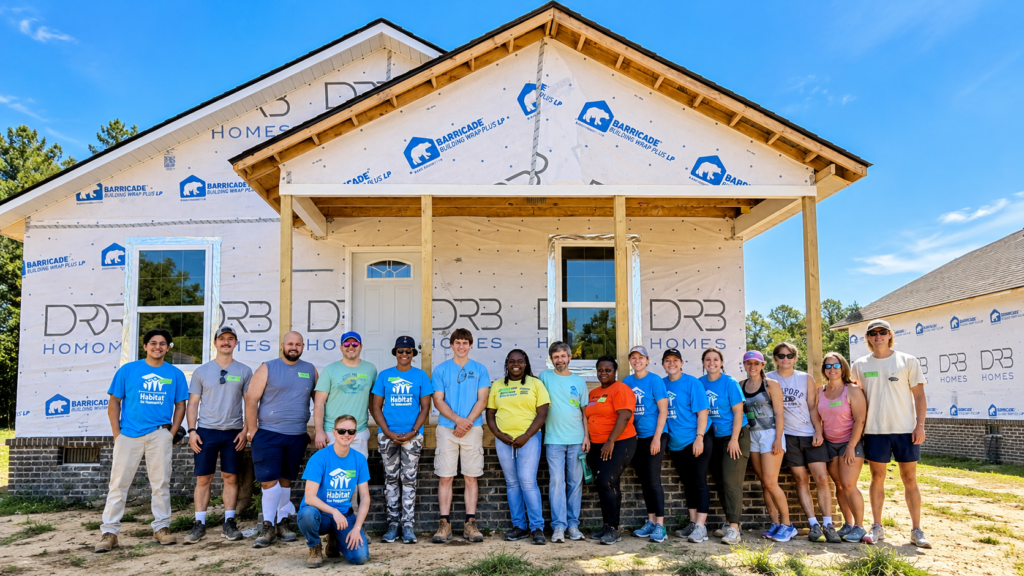
Here’s a practical framework for decision-makers. First, select a coordinator who can serve as the main point of contact for your church, business, or giving committee. Next, discuss available opportunities with Central South Carolina Habitat for Humanity before announcing dates, recruiting volunteers, or collecting items.
Then choose a realistic commitment. That might mean planning group volunteer involvement, starting a sponsorship conversation, organizing suitable donations to the Central South Carolina Habitat ReStore, or sharing accurate housing information with your congregation or team. Finally, schedule a follow-up after Christmas so your commitment has a clear next step in the new year.
If your group is still getting to know the organization, Central South Carolina Habitat for Humanity’s welcome to its new home online is a good place to start. It’s an invitation to understand where the affiliate is headed and how community partners fit into that direction.
For a business, that could look like a team volunteer day planned for early in the year, or a sponsorship conversation that begins in December and continues into spring. For a church, it might mean naming Advent as the start of a partnership rather than the whole of it.
Starting small is fine. What matters most is choosing something your group can actually sustain.
Frequently Asked Questions
When Does Advent Begin in 2026?
Advent begins on Sunday, November 29, 2026, and continues through December 24. In Christian observance, it’s a season of preparation before Christmas. Churches planning to get involved with Central South Carolina Habitat for Humanity can use these weeks to organize service and giving while arranging commitments that continue into the following year.
How Does Advent Connect with Preparing for Homeownership?
Advent isn’t about housing, but its themes of hope, patience, and preparation offer a meaningful lens for reflection. Preparing for homeownership also involves steady effort toward a goal that still lies ahead. For churches, that connection can inspire practical, sustained care for neighbors working toward a home.
What Happens Before a Future Homeowner Receives the Keys?
Before closing, future homeowners move through steps such as inquiry, application review, homebuyer education, and partnership activities. Each step builds readiness for the responsibilities of owning a home. Central South Carolina Habitat for Humanity can share the current details of its local process.
How Long Does the Homebuyer Journey Take?
The homebuyer journey doesn’t have one guaranteed timeline. Application windows, selection, homebuyer preparation, partnership requirements, and construction can all affect progress. Prospective applicants should contact Central South Carolina Habitat for Humanity for current information rather than planning around a general estimate or a seasonal deadline.
How Can Churches Support Central South Carolina Habitat for Humanity During Advent?
Churches can support Central South Carolina Habitat for Humanity during Advent by discussing volunteer opportunities, sponsorship, suitable Central South Carolina Habitat ReStore donations, and ongoing giving with the affiliate. Choose a coordinator and reach out before announcing dates or collecting items. A realistic plan helps the congregation respond to current needs and continue its involvement after Christmas.

Let Preparation Become a Shared Commitment
Advent makes room for hope while reminding us that preparation takes attention and time. For neighbors working toward homeownership, practical support can help a community express that care. The strongest commitment respects each household’s privacy, recognizes its effort, and continues beyond the season that first inspired it.
This Advent, plan your group’s volunteer involvement and discuss sponsorship or ongoing support with Central South Carolina Habitat for Humanity. Choose a next step your church or business can sustain, then make space to return to that commitment in the new year.