
Quick Summary
Thrifting furniture can help you save money, furnish your home at your own pace, and give existing pieces a longer useful life. Before buying, measure your space and inspect each item’s condition. Purchases at the Central South Carolina Habitat ReStore also support local homebuilding and repair efforts.
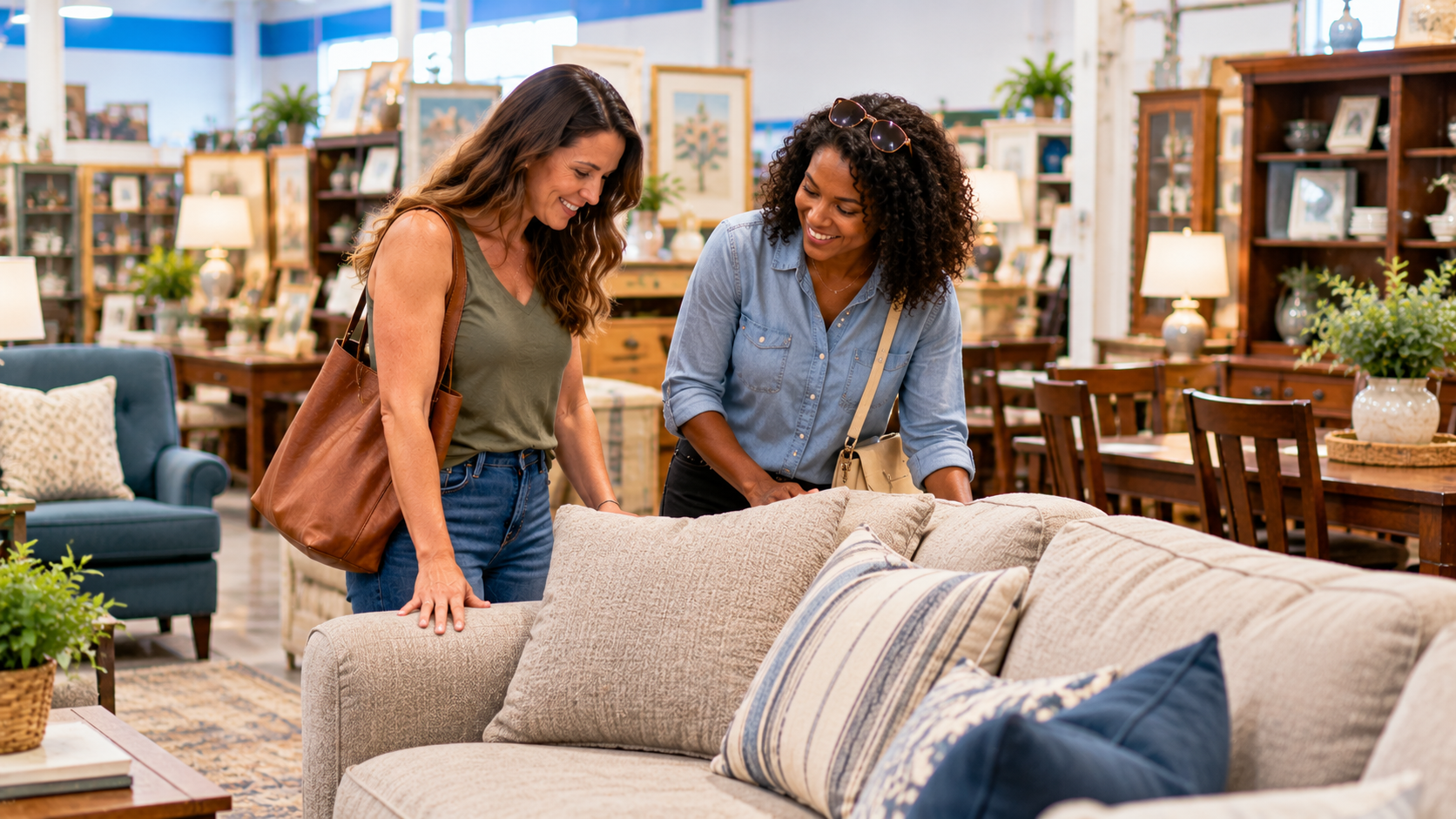
Buying your first home has a funny way of turning “We finally did it” into “Why do we suddenly need seventeen things?” For homeowners looking to thrift furniture in Columbia, SC, secondhand shopping can be more than a way to hunt for bargains. It can be a practical strategy for furnishing slowly, preserving cash, and finding pieces with character.
That strategy fits naturally with the Central South Carolina Habitat ReStore, where donated furniture and household goods get another chance to be used. For households still working toward ownership, Central South Carolina Habitat for Humanity’s Homebuyer Journey provides information about Central South Carolina Habitat for Humanity’s local affordable homeownership pathway.
Why Thrifted Furniture Deserves a Place in Your First Home
Every piece of furniture has a life cycle. It starts with raw materials like wood, metal, foam, and fabric. It’s manufactured, packaged, shipped, used, and eventually discarded or passed along.
Each stage carries costs, both financial and environmental. A 2025 life cycle study published in Scientific Reports examined 25 furniture pieces across several categories and describes furniture as an important category for sustainable design because of its environmental impacts across production and other stages.
Secondhand furniture is simply furniture that has already lived part of that cycle with a previous owner. Buying it means stepping into the middle of a product’s life instead of starting a new one. Here are seven reasons that can be a smart move for a first home.
1. Thrifting Can Stretch a New Homeowner’s Budget
The months after closing are expensive. Moving costs, utility deposits, small repairs, and the first mortgage payment can arrive all at once.
Secondhand furniture is often a lower-cost alternative to buying new. Every dollar saved on a dresser or dining table is a dollar that can go toward emergency savings, home maintenance, or other essentials. For a first-time homebuyer in Columbia, SC, that breathing room can make the first year of ownership far less stressful.
2. You Can Furnish the House Gradually
Secondhand shopping rewards patience. Instead of financing a full set of matching furniture on day one, you can wait for the right size, the right function, and the right price.
That slower pace also gives you time to learn how your household uses each room. The piece you bought in a rush might not be the piece you actually need three months later.
3. Reusing Furniture Can Extend a Product’s Useful Life
Reuse is one of the simplest ways to keep a product working longer. When a solid table moves to a new home instead of a landfill, its useful life keeps going.
Peer-reviewed research supports the value of that extension. A life cycle based assessment of reuse found meaningful avoided environmental impacts from secondhand goods, with furniture contributing substantially. The reason is straightforward: reusing an item can avoid the impacts associated with producing a replacement.
4. Secondhand Furniture Can Reduce Demand for New Production
Buying used doesn’t erase environmental impact. Transportation, cleaning, and repairs all have a footprint of their own. Still, keeping an existing product in use may reduce the need for a newly manufactured replacement.
An analysis in the Journal of Industrial Ecology found that secondhand furnishings had lower emissions than the new furnishing alternatives examined in its scenarios. The researchers also cautioned that consumer behavior matters.
Related research on furniture reuse points to what are known as rebound effects. If the money saved on a used piece simply funds more new purchases, some of the benefit may be lost. The biggest gains come when a secondhand purchase truly replaces a new one.
5. Your Home Doesn’t Have to Look Like Everyone Else’s
Showroom furniture sets are convenient, but they can make a home feel like a catalog page. Secondhand shopping opens the door to mixing periods, materials, colors, and one-of-a-kind finds.
Research backs up why so many shoppers are drawn to this approach. A study in Sustainability on secondhand home furnishing consumers identified aesthetic style, functionality, environmental sustainability, and economic considerations as important motivations.
A vintage side table next to a new sofa, or a solid wood dresser painted in a color you love, gives your home a personality that’s entirely your own.
6. Older Pieces Can Still Offer Quality and Function
Older doesn’t automatically mean better. Some secondhand furniture is sturdy and well made, and some is not. The key is knowing what to look for.
Research on young adults and used furniture notes that consumers may value quality, durability, economic practicality, and extended product life when choosing secondhand pieces.
Before buying, inspect the construction, stability, drawers, doors, surfaces, and hardware. Check for odors, stains, signs of pests, and any repair needs. A piece that passes that inspection can serve your household well for years.
7. A Central South Carolina Habitat ReStore Purchase Can Do More Than Furnish a Room
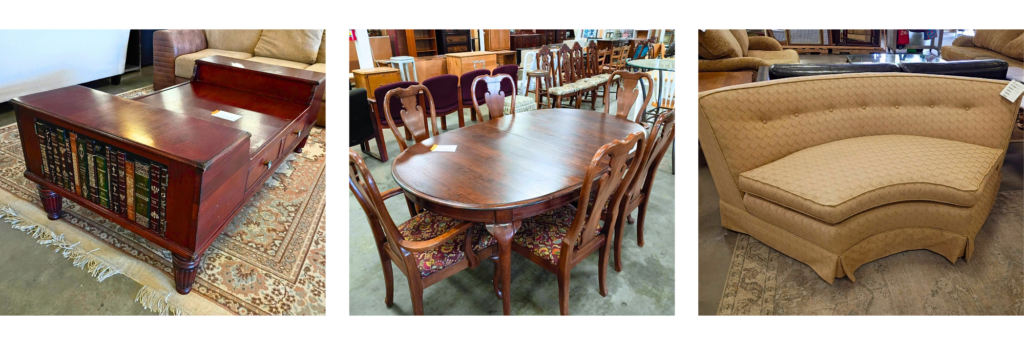
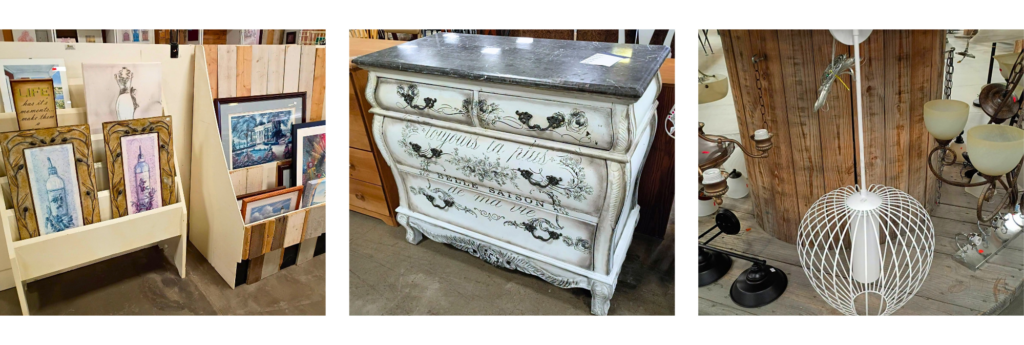
The Central South Carolina Habitat ReStore is a nonprofit home improvement store and donation center in West Columbia. It sells donated furniture, appliances, decor, building materials, and other home goods.
According to Central South Carolina Habitat for Humanity, revenue from the Central South Carolina Habitat ReStore supports local affordable homebuilding and repair efforts. That creates a direct connection between your shopping list and the housing needs of families across Richland, Lexington, and Fairfield Counties.
For practical tips on shopping the store, read Habitat ReStore Columbia SC: A Smart Shopper’s Guide. If you are curious where much of the inventory comes from, Donate Furniture in SC explains how community donations keep the shelves stocked and the mission moving.
How to Thrift Furniture Without Bringing Home the Wrong Piece
A great price is only a great deal if the piece works for your home. Start by measuring your room along with every doorway, stairway, and hallway the furniture will need to pass through.
Next, check the piece for stability and structural condition. Sit on chairs, push gently on tables, and look underneath for loose joints or cracked supports.
Inspect upholstery carefully for stains, tears, odors, and any signs of pests. Then test the drawers, doors, hinges, and other moving parts to make sure everything opens, closes, and stays put.
Estimate any repair or refinishing costs before you commit. A dresser that needs new hardware may still be a bargain, while one that needs major structural work may not be.
Finally, plan your transportation before you buy, and shop for usefulness first and style second. Affordable furniture in Columbia, SC is easiest to find when you know exactly what job each piece needs to do.
Frequently Asked Questions About Thrifted Furniture
Is buying secondhand furniture worth it?
It can be, especially when the piece fits your space, budget, and functional needs and is in good condition. Secondhand shopping can make quality furnishings more accessible while keeping usable products in circulation. Inspect every item carefully, because condition, age, construction, and repair needs vary from piece to piece.
Is secondhand furniture more sustainable than buying new?
Often, reuse can reduce environmental impacts by extending an existing product’s life and potentially avoiding the production of a replacement. Peer-reviewed life cycle research has documented environmental benefits from product reuse. The exact benefit depends on factors such as transportation, refurbishment, product condition, and whether the secondhand purchase actually replaces a new one.
Where can I thrift furniture in Columbia, SC?
The Central South Carolina Habitat ReStore, located at 2814 Augusta Road in West Columbia, sells donated furniture, appliances, decor, building materials, and other home goods. Inventory changes as donations arrive, so the selection is never fixed. The store is open to the public and does not require Central South Carolina Habitat for Humanity program participation.
What should I inspect before buying used furniture?
Check structural stability, joints, legs, drawers, doors, hardware, upholstery, odors, stains, water damage, and signs of pests. Measure both the furniture and every doorway or hallway it must pass through. For appliances or electrical items, review the store’s current testing, warranty, and return policies before purchasing.
How does shopping at the Central South Carolina Habitat ReStore support affordable housing?
Central South Carolina Habitat for Humanity states that revenue generated by the Central South Carolina Habitat ReStore supports affordable home construction and repair work in Richland, Lexington, and Fairfield Counties. Purchases serve two purposes: shoppers get useful household goods, and sales generate funding for Central South Carolina Habitat for Humanity’s local housing mission.

Thrift With a Plan, Not Just for the Bargain
Secondhand furniture may not be the right choice for every purchase, but it gives new homeowners another useful option. A well-chosen table, dresser, cabinet, lamp, or sofa can solve an immediate household need without requiring every room to be furnished new. It can also extend the useful life of products already in circulation.
To see how Central South Carolina Habitat ReStore activity connects with Central South Carolina Habitat for Humanity’s broader mission, read Habitat for Humanity ReStore SC and learn how everyday shopping can help support affordable housing in the Midlands.
Start your search at the Central South Carolina Habitat ReStore, where inventory changes as local donations arrive.